

Lash Product Packaging Innovation Enhances Brand Competitiveness
Lash Product Packaging Innovation: Key to Boosting Brand Competitiveness in 2024
In the fast-growing global lash industry, where market size is projected to reach $12.3 billion by 2028 (Statista), brand competition has never been fiercer. While product quality remains foundational, packaging innovation has emerged as a critical differentiator, directly influencing consumer perception, purchase decisions, and long-term brand loyalty.
Today’s lash consumers—predominantly Gen Z and millennials—seek more than just a functional container. They crave experiences, storytelling, and alignment with their values, making packaging a powerful tool to convey brand identity. A 2023 Nielsen study found that 64% of consumers are willing to pay more for products with “meaningful packaging,” underscoring its role in driving competitiveness.
Sustainable Packaging: Meeting Eco-Conscious Demands
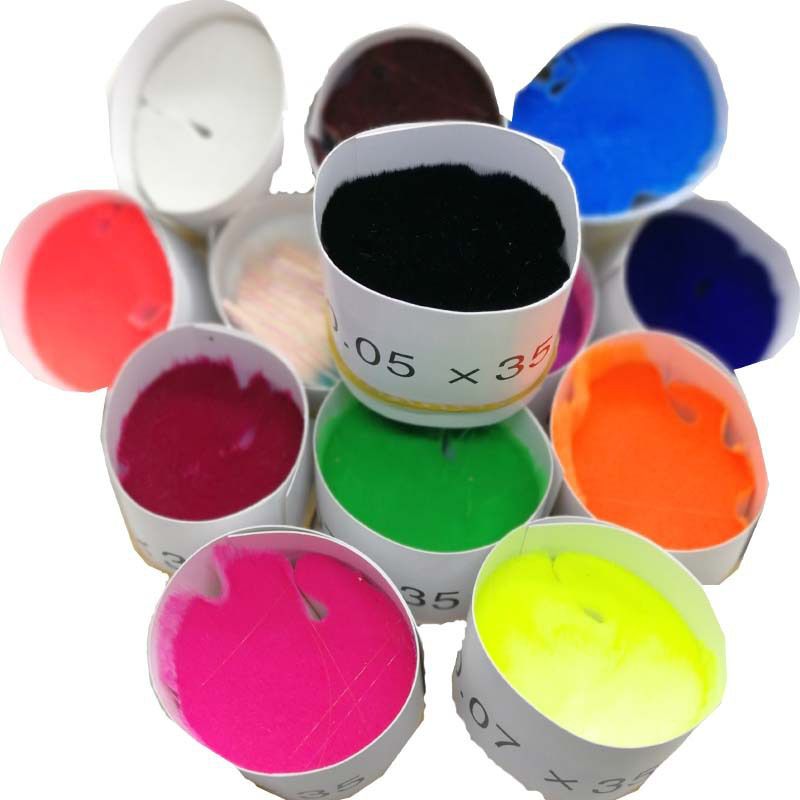
Sustainability is no longer a trend but a necessity. With 72% of global consumers prioritizing eco-friendly brands (IBM), lash manufacturers are shifting from single-use plastics to innovative materials. Biodegradable options like cornstarch-based trays, recycled paper boxes, and bamboo lash applicator holders not only reduce carbon footprints but also resonate with environmentally conscious buyers. For example, a leading lash brand reported a 23% sales increase after launching compostable packaging, with 81% of customers citing “sustainability” as their primary purchase reason.
Smart Packaging: Enhancing Engagement and Trust
Digital integration is redefining packaging interactivity. QR codes embedded in lash boxes now link to virtual try-on tools, tutorial videos, or brand stories, turning passive unboxing into an immersive experience. A 2024 survey by Lash Industry Insights revealed that 58% of consumers engage with QR-enabled packaging, leading to a 35% higher repeat purchase rate. Additionally, NFC tags allow brands to share batch-specific information (e.g., material sourcing, cruelty-free certifications), building transparency and trust—a key factor in a market rife with counterfeit products.

Customization: Catering to Personalized Preferences
Personalization is driving consumer connection. Brands now offer customizable packaging, from monogrammed lash cases to limited-edition designs tied to seasonal trends or cultural events. For instance, a Korean lash brand’s Lunar New Year collection, featuring hand-painted cherry blossom motifs, sold out within 48 hours, with social media mentions spiking by 150%. Such tailored packaging not only boosts immediate sales but also encourages user-generated , expanding brand reach organically.
Functional Design: Merging Aesthetics with Utility
Practicality remains a core consideration. Innovations like magnetic closures for easy access, stackable boxes for storage, and travel-sized kits with built-in mirrors address real consumer pain points. A recent consumer poll showed that 73% of lash users prioritize “convenience” in packaging, with brands like Ardell reporting a 40% reduction in product returns after upgrading to user-friendly, spill-proof designs.
The Road Ahead: Packaging as a Brand Strategy
As lash markets mature, packaging will evolve from a “supporting feature” to a central brand strategy. Future trends may include AI-driven design tools that let consumers co-create packaging, or smart labels that monitor product freshness. For manufacturers, investing in packaging R&D is no longer optional—it’s a strategic imperative to stand out, build loyalty, and capture market share in an increasingly crowded landscape.
In conclusion, lash product packaging innovation is more than just aesthetics; it’s a bridge between brands and consumers, merging sustainability, technology, and personalization to drive competitiveness. Brands that prioritize packaging as a core part of their identity will not only win today’s market but also shape the future of the lash industry.


